The Business Class
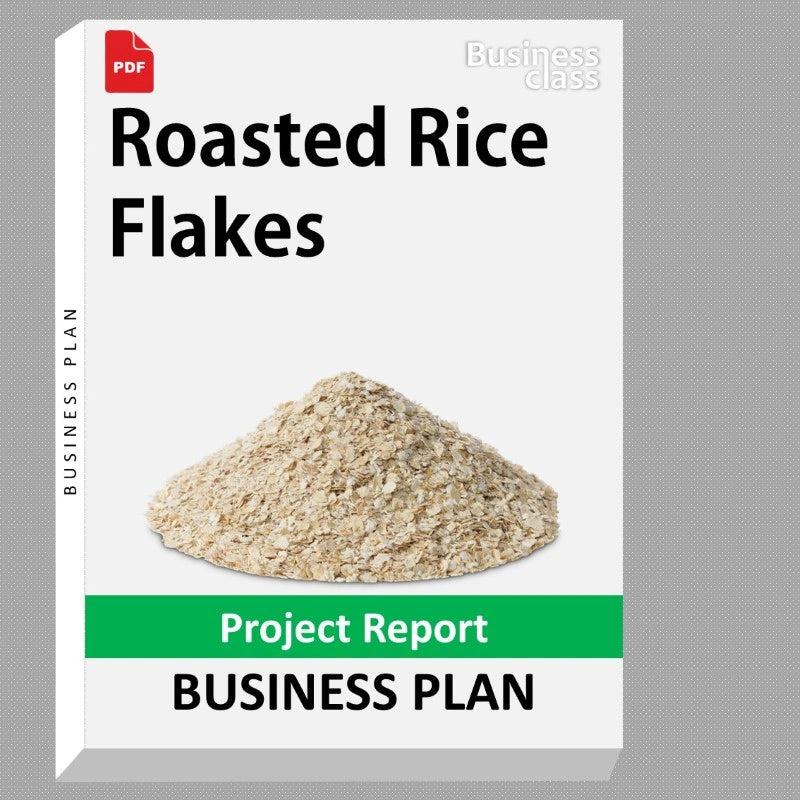
Roasted Rice Flakes Project Report and Business Guides Bundle
Roasted Rice Flakes Project Report and Business Guides Bundle
Couldn't load pickup availability
All In One Roasted Rice Flakes Project Report and Business Guides Bundle
Starting a roasted rice flakes business in India can be a promising venture for various reasons:
- Popular Breakfast Option: Roasted rice flakes, commonly known as Poha, is a popular and traditional breakfast option in many parts of India. It is a quick and convenient meal that is widely consumed.
- Cultural Significance: Poha holds cultural significance in various regions and is often prepared during festivals, celebrations, and special occasions. Entrepreneurs can tap into this cultural connection for marketing and sales.
- Versatile Ingredient: Roasted rice flakes can be used to prepare a variety of dishes, including snacks, savory meals, and desserts. This versatility enhances its market appeal.
- Healthy Snacking Option: Roasted rice flakes are a source of carbohydrates and can be considered a healthy snacking option. They are often combined with nutritious ingredients like vegetables and spices.
- Ready-to-Cook Convenience: Roasted rice flakes are a ready-to-cook product that requires minimal preparation time. This convenience appeals to consumers looking for quick and easy meal solutions.
- Regional Demand: Poha is consumed across different regions of India, allowing entrepreneurs to tap into a broad market. Customizing flavors to suit regional preferences can enhance market acceptance.
- Export Potential: High-quality roasted rice flakes have export potential. Entrepreneurs can explore international markets and contribute to India's global food trade.
- Job Creation: Establishing a roasted rice flakes business creates job opportunities for workers involved in processing, quality control, packaging, and distribution.
- Brand Innovation: Entrepreneurs can differentiate their brand by focusing on the quality, texture, and taste of their roasted rice flakes. Effective branding and marketing strategies can help build a strong brand presence.
- Government Support: The Indian government often supports the food processing industry through various initiatives and schemes. Entrepreneurs can explore government support for funding, training, and subsidies.
Before starting a roasted rice flakes business in India, it's essential to consider the following:
- Market Research: Understand the market demand for roasted rice flakes. Identify potential competitors, pricing strategies, and regional preferences. Conduct thorough market research to make informed business decisions.
- Quality Control: Adhere to high standards of quality in roasted rice flake processing and packaging. Ensure compliance with food safety regulations and obtain necessary certifications.
- Supply Chain Management: Develop a reliable supply chain for sourcing high-quality rice and other ingredients. Ensure efficient processing, packaging, and distribution logistics.
- Technology and Equipment: Invest in modern processing equipment suitable for roasted rice flake manufacturing. Stay updated on technological advancements in the industry.
- Infrastructure: Set up a well-designed production facility with proper infrastructure for different stages of roasted rice flake production.
- Packaging and Branding: Invest in attractive and informative packaging that conveys the quality and freshness of your roasted rice flakes. Develop a strong brand identity with effective branding and marketing strategies.
- Distribution Network: Develop a robust distribution network to reach a wide consumer base. Establish partnerships with retailers, grocery stores, and other outlets.
By addressing these considerations and focusing on quality, innovation, and branding, entrepreneurs can establish a successful roasted rice flakes business in India, meeting the demand for convenient and traditional breakfast options in the market.
Business Details in This eBook | Applicable for Bank Loan and other government grants | A resource to equip entrepreneurs with business knowledge and skills.
1. Roasted Rice Flakes Project Report
- Product & its application
- Desired qualifications for promoter
- Industry outlook/trend
- Market potential and marketing issues
- Raw material requirements
- Manufacturing process
- Manpower requirement
- Implementation schedule
- Cost of project (business)
- Means of finance
- Working capital requirements
- List of machinery required
- Profitability calculations
- Break even analysis
- Statutory/ government approvals
- Backward and forward integration
- Training centers/courses
- Business templet
2. Business Idea Generation Guide
PART I – YOU AS AN ENTREPRENEUR
PART II – A MARKET IS WAITING FOR YOU
PART III – YOUR OWN BUSINESS IDEA LIST
PART IV - THE BEST BUSINESS IDEAS FOR YOU
PART V - YOUR OWN BUSINESS IDEA
3. How to start Business Guide
PART I - ASSESS YOUR READINESS TO START A BUSINESS
PART II - THE BUSINESS PLAN
PART III - REINFORCE YOUR BUSINESS IDEA
PART IV - THE MARKETING PLAN
PART V - STAFF
PART VI - ORGANIZATION AND MANAGEMENT
PART VII - BUYING FOR YOUR BUSINESS
PART VIII - GREENING YOUR BUSINESS
PART IX - COSTING YOUR GOODS AND SERVICES
PART X - FINANCIAL PLANNING
PART XI - REQUIRED STARTUP CAPITAL
PART XII - TYPES AND SOURCES OF STARTUP CAPITAL
PART XIII - STARTING THE BUSINESS
4. People and Productivity in Business Guide
PART I - LINKING PEOPLE AND PRODUCTIVITY
PART II - INFLUENCING PRODUCTIVITY
PART III - PEOPLE, PRODUCTIVITY AND PLANNING
PART IV - RECRUITING PRODUCTIVE PEOPLE
PART V - HOW TO ENCOURAGE STAFF PRODUCTIVITY?
PART VI - WORKPLACE AND PRODUCTIVITY
PART VII - WORKPLACE CULTURE AND PRODUCTIVITY
PART VIII - MANAGING EMPLOYEE COMPLEXITIES
PART IX - BUSINESS RELATIONS AND PRODUCTIVITY
5. Business Planning Guide
PART I - PLANNING FOR THE FUTURE
PART II - DOING A BUSINESS ANALYSIS
PART III - FORECASTING CHANGES IN THE EXTERNAL ENVIRONMENT
PART IV - MANAGING RISK
PART V - MAKING PLANS
6. Coasting in Business Guide
PART I - KNOW YOUR COSTS
PART II - COSTING FOR A MULTIPLE PRODUCT MANUFACTURER OR SERVICE OPERATOR
PART III - COSTING FOR A SINGLE PRODUCT MANUFACTURER OR SERVICE OPERATOR
PART IV - COSTING FOR A RETAIL OR WHOLESALE BUSINESS
7. Marketing your Product or Service Guide
PART I - MARKETING AND YOUR BUSINESS
PART II – POSITIONING YOUR PRODUCT
PART III - PRODUCT
PART IV - PRICE
PART V - PLACE
PART VI - PROMOTION
PART VII - PEOPLE
PART VIII – PROCESS
PART IX - PHYSICAL EVIDENCE
8. Buying and Stock Control Guide
PART I - BUYING WELL FOR YOUR BUSINESS
PART II - CONTROLLING YOUR STOCK AFTER BUYING
PART III - MANAGING RELATIONSHIPS WITH YOUR SUPPLIERS
STOCK CONTROL FORMS
9. Record Keeping (Accounting) Guide
PART I - KEEPING BUSINESS RECORDS
PART II - A SIMPLE SYSTEM OF KEEPING RECORDS
PART III - USE RECORDS TO IMPROVE YOUR BUSINESS
RECORD KEEPING FORMS
In its entirety, this comprehensive PDF comprises over 800 pages encompassing a collection of 9 distinct ebooks. Designed with entrepreneurs and business owners in mind, these resources serve as a systematic guide, offering an in-depth exploration of diverse facets integral to the business realm.
Note: Kindly review your email correspondence subsequent to completing the payment process. The designated ebook, formatted as a PDF document, will be dispatched to your email address, enabling you to proceed with the download. We recommend inspecting both your junk and spam folders to ensure comprehensive retrieval. You should anticipate receipt of two separate emails: the first will contain your order confirmation, while the second will facilitate the download of the PDF file. Should you encounter any challenges during this process, please do not hesitate to contact us via WhatsApp at 8897066866 or by sending an email to info@thebusinessclass.org. We stand ready to assist you.
Disclaimer: This is a sample report designed to provide basic information to entrepreneurs preparing a project report to start a business. Starting a business differs from case to case, with various factors such as price, location, market, customer, product, quality, raw material, time, budget, skills, competition, process, finance, profits, and industry trends influencing the setup of a business. The project report and business guides are distinct yet complementary products tailored to assist entrepreneurs. Presented as a comprehensive package, these resources offer valuable insights without a direct interdependence. The buyer of this project report should not consider it a final document to be used for starting a business or applying for a loan or grant. It may need to be modified, customized, and corrected before it can be used for a loan, grant, or government scheme. If an unintentional error or inaccuracy is discovered, no responsibility is accepted. Furthermore, details, context, data, numbers, definitions, explanations, and calculations are provided for information purposes only and do not constitute a recommendation.
Share